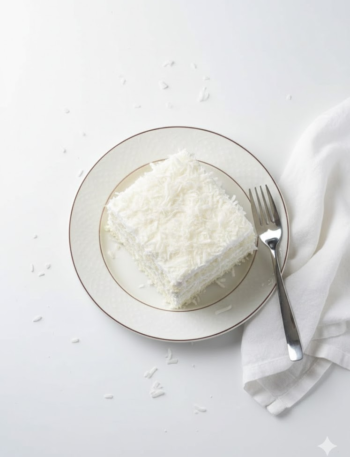
- Servings: 8
- Total Time: 1 hour 15 minutes
- Difficulty: Easy
- Calories per Serving: 185 kcal
-
Macros: Protein 9g / Carbs 18g / Fat 8g / Fiber 0g
A Taste of Tradition: High-Protein Amish Baked Custard
There is something deeply grounding about a dessert that has sustained families for generations. This High-Protein Amish Baked Custard is the ultimate “hug in a bowl,” offering a silky, melt-in-your-mouth texture that feels like pure indulgence while providing a significant boost of clean energy. Unlike modern puddings thickened with cornstarch, this authentic version relies on the natural power of farm-fresh eggs to create a firm yet tender set.
For those following a high-protein lifestyle, this custard is a dream. It skips the heavy crusts and unnecessary fillers, focusing instead on simple, whole-food ingredients that nourish your body. By utilizing whole eggs rather than just yolks, we maximize the amino acid profile, making this a smart choice for post-workout recovery or a satisfying evening treat that won’t leave you feeling sluggish.
This high-protein recipe is incredibly versatile and beginner-friendly. Whether you are looking for a comforting clean eating dessert or a way to use up a carton of eggs, this Amish classic delivers high-quality nutrition with a nostalgic flavor profile that never goes out of style.
Look at the Recipe
- Velvety Texture: A smooth, jiggly finish that is incredibly satisfying on the palate.
- Warm Vanilla & Spice: The floral notes of vanilla bean are perfectly balanced by a golden, nutmeg-dusted top.
- Protein-Packed Simplicity: A nutrient-dense profile featuring 9 grams of protein per serving from high-quality egg sources.
Ingredients Needed
The Custard Base
- 6 Large eggs (preferably pasture-raised for higher omega-3s)
- 4 cups Whole milk (or 2% for a lighter version)
- ½ cup Granulated sugar (or your favorite monk fruit sweetener swap)
- 2 tsp Pure vanilla extract
- ¼ tsp Sea salt
The Topping
- ½ tsp Ground nutmeg (freshly grated is best)
How to Make Our Amish Baked Custard
- Prep the Oven: Preheat your oven to 325°F. Prepare a large 9×13 inch baking pan and set aside 8 individual 6-ounce ramekins.
- Scald the Milk: In a medium saucepan over medium heat, scald the milk by heating it until small bubbles form around the edges (approx. 180°F). Do not let it reach a rolling boil.
- Whisk the Eggs: In a large mixing bowl, beat the eggs, sugar, vanilla, and salt until the mixture is light and well combined.
- Temper the Mixture: This is the secret to a smooth high-protein custard. Slowly drizzle one cup of the hot milk into the egg mixture while whisking constantly. This prevents the eggs from scrambling. Once combined, slowly stir in the remaining milk.
- Assemble the Water Bath: Divide the mixture evenly among the ramekins. Place the ramekins inside the large baking pan. Pour hot water into the pan until it reaches halfway up the sides of the ramekins.
- Bake to Perfection: Sprinkle the tops with nutmeg. Carefully slide the pan into the oven and bake for 35–45 minutes. The centers should still have a slight “jiggle” when moved.
- Cool Down: Remove from the water bath and let cool on a wire rack for at least 30 minutes before serving.
Storage & Serving Suggestions
- Storing: Keep your custard in the refrigerator, covered with plastic wrap, for up to 4 days.
- Reheating: While traditionally enjoyed chilled or at room temperature, you can gently reheat in the microwave for 15–20 seconds if you prefer a warm dessert.
- Freezing: I do not recommend freezing this custard, as the delicate egg structure will break down and become watery upon thawing.
- Serving Pairings: Serve with a handful of fresh blackberries or a dollop of Greek yogurt for an extra high-protein boost.
Tips & FAQs
Can I make this dairy-free? You can substitute the milk with a high-protein unsweetened pea milk or soy milk. Almond milk works but will result in a much thinner, less creamy texture.
Why do I need a water bath? The water bath (bain-marie) ensures even heat distribution and prevents the eggs from cooking too quickly, which causes curdling or a “rubbery” texture.
How do I know when the custard is done? Insert a thin knife near the center; if it comes out clean, it is ready. The very center should still be slightly wobbly—it will firm up as it cools.
Can I use a sugar alternative? Yes, allulose or monk fruit sweeteners work well in this high-protein recipe if you are looking to reduce the sugar content further.