These high protein cinnamon rolls are soft, fluffy, warmly spiced, and finished with a creamy protein icing. A small adjustment to the flour-to-protein ratio makes them more protein-friendly and somewhat lower in carbs while keeping the buttery cinnamon flavor that makes cinnamon rolls so irresistible.

Servings: 9 rolls
Prep Time: 20 minutes
Proofing Time: 45–60 minutes
Cook Time: 22–25 minutes
Cooling Time: 15–20 minutes
Total Time: About 1 hour 45 minutes–2 hours 5 minutes
Yield: 9 rolls
Dietary: Vegetarian; can be made vegan with suitable substitutions.
Protein-Friendly: Higher in protein and lower in carbohydrates than the original version.
Ingredients
For the Dough
- 1½ cups all-purpose flour
- 1 cup plant-based or casein protein powder
- 1 tbsp erythritol or another granulated sweetener
- 2 tsp instant yeast
- ½ tsp salt
- 2 tbsp butter, melted; regular or vegan
- ½ cup + 3 tbsp warm water, plus more only if needed
For the Cinnamon Filling
- 2 tbsp butter, melted; regular or vegan
- ¼ cup erythritol or another granulated sweetener
- 2–3 tsp ground cinnamon
For the Protein Icing
- ¼ cup plain Greek yogurt, preferably
- 2 tbsp protein powder
- 2 tbsp erythritol or another granulated sweetener
- 1–2 tbsp milk, as needed
Instructions
- Preheat the oven to 350°F (180°C). Grease a 10-inch cast-iron skillet or 9-inch baking pan.
- Whisk together the flour, protein powder, erythritol, instant yeast, and salt.
- Stir the melted butter into the warm water.
- Pour the wet mixture into the dry ingredients and stir until a soft, shaggy dough forms. If the dough is dry, add warm water 1 tablespoon at a time.
- Knead for 2–3 minutes, until smooth and pliable.
- Cover and let rise for 45–60 minutes, or until noticeably puffed.
- Lightly flour your work surface and roll the dough into approximately a 12-by-13-inch rectangle.
- Brush the melted butter evenly over the dough. Sprinkle with erythritol and cinnamon.
- Tightly roll the dough into a log.
- Cut into 9 equal pieces using a sharp knife or unflavored dental floss.
- Place the rolls in the prepared pan, leaving a little room between them.
- Bake for 22–25 minutes, until lightly golden and cooked through.
- Cool for 15–20 minutes.
- Whisk together the Greek yogurt, protein powder, and erythritol. Add milk gradually until smooth and drizzleable.
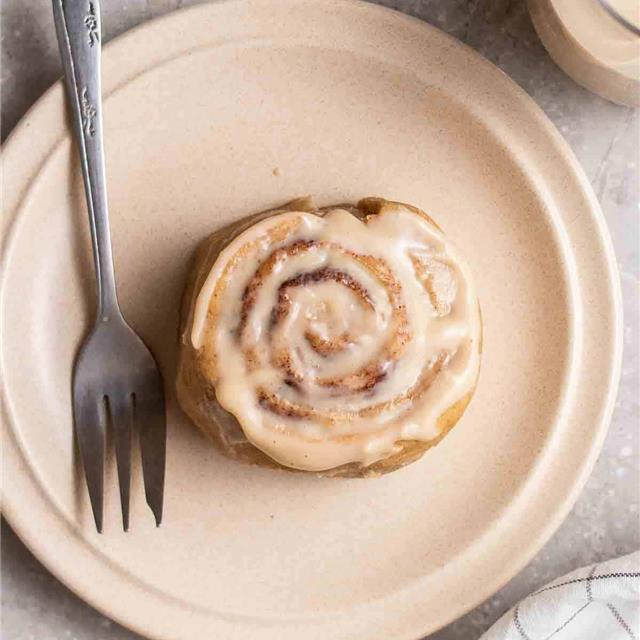
- Drizzle the protein icing over the warm cinnamon rolls and serve.
Important Recipe Note: Protein powders vary significantly in how much liquid they absorb. Start with the listed water amount, then adjust only as needed. The dough should be soft and pliable, not stiff or crumbly.

Why These High Protein Cinnamon Rolls Work
A higher-protein cinnamon roll shouldn’t taste like a protein bar disguised as breakfast. They’re particularly good for breakfast or a post-workout snack when you want something sweet but also want more protein in the meal.
The recipe is also lower in carbohydrates than the traditional cinnamon rolls.
How to Make High Protein Cinnamon Rolls
1. Mix the Dry Ingredients
Add the all-purpose flour, protein powder, erythritol, instant yeast, and salt to a large bowl.
Whisk thoroughly to distribute the protein powder and yeast.
Using instant yeast makes the process simple because it can be mixed directly into the dry ingredients.
The increased protein powder means the mixture will look somewhat different from traditional cinnamon-roll dough. That’s expected.
2. Add the Wet Ingredients
Melt the butter and combine it with warm water.
The water should be comfortably warm, not hot. Very hot water can interfere with the yeast.
Pour the liquid into the dry mixture and stir until everything begins coming together.
Because we’re using more protein powder and less flour, the dough needs enough moisture to remain pliable.
If it looks dry or crumbly, add another tablespoon of warm water and mix again. Continue gradually until the dough comes together.
Tip: Don’t add extra flour just because the dough feels slightly sticky at first. Protein powder continues absorbing moisture as the dough rests.
3. Knead the Dough
Transfer the dough to a lightly floured surface and knead for approximately 2–3 minutes.
You aren’t looking for a long, intensive kneading process. The goal is simply to develop enough structure for the dough to hold together.
When finished, the dough should feel soft, smooth, and flexible.
If it cracks immediately when you try to stretch it, it probably needs a little more moisture. Add a small amount of water and knead again.

4. Let It Rise
Cover the dough with a damp kitchen towel and let it rise for 45–60 minutes.
Place it somewhere comfortably warm and away from drafts.
The dough should become noticeably puffier. Depending on your kitchen temperature and yeast, it may take slightly more than an hour.
Don’t worry if it doesn’t become dramatically huge. The higher protein content can make the dough rise somewhat differently from a traditional flour-heavy dough.
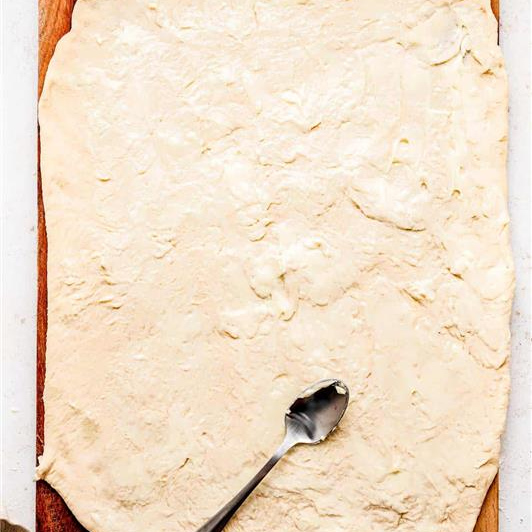
5. Roll Out the Dough
Once the dough has risen, lightly flour your work surface.
Roll it into approximately a 12-by-13-inch rectangle.
It doesn’t have to be perfectly shaped, but try to keep the thickness even.
If the dough repeatedly springs back while rolling, let it rest for 5 minutes. This allows the dough to relax and makes rolling easier.
Avoid adding a lot of flour during this step. Extra flour will increase the carbohydrate content and can make the finished rolls dry.
6. Add the Cinnamon Filling
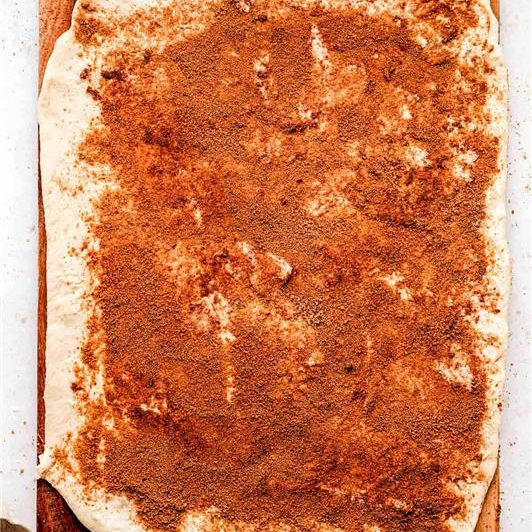
Brush the melted butter evenly across the surface.
Sprinkle the erythritol over the butter, then add 2–3 teaspoons of cinnamon.
Don’t be shy with the cinnamon. Because the dough contains more protein powder, a fragrant cinnamon filling helps keep the finished rolls tasting rich and satisfying.
Use 2 teaspoons for a gentle cinnamon flavor or 3 teaspoons for a bolder, bakery-style filling.
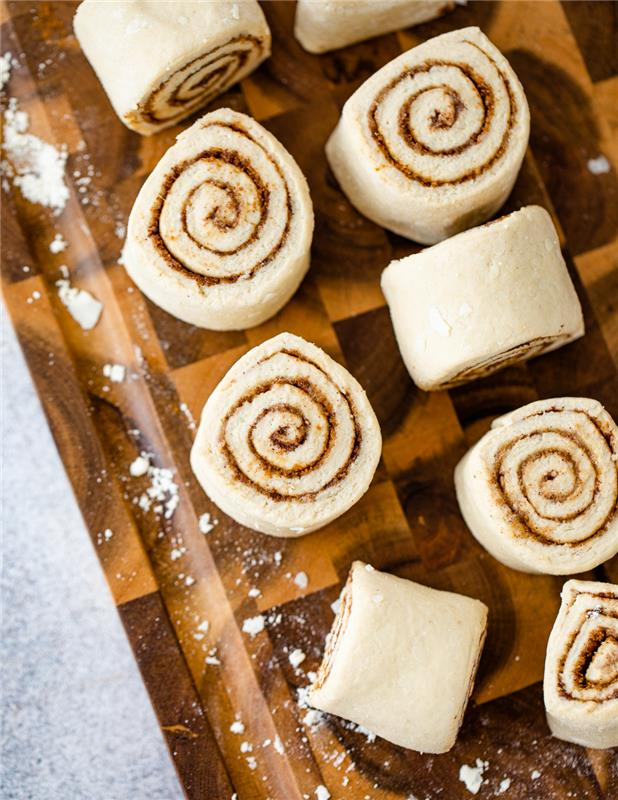
7. Roll and Cut
Starting from the long side, roll the dough firmly into a log.
Keep the pressure even as you roll, but don’t squeeze the dough tightly.
Use a sharp knife to cut the log into 9 pieces.
For especially clean cuts, use unflavored dental floss. Slide the floss underneath the log, cross it over the top, and pull both ends in opposite directions.
Arrange the nine rolls in your greased pan.
8. Bake
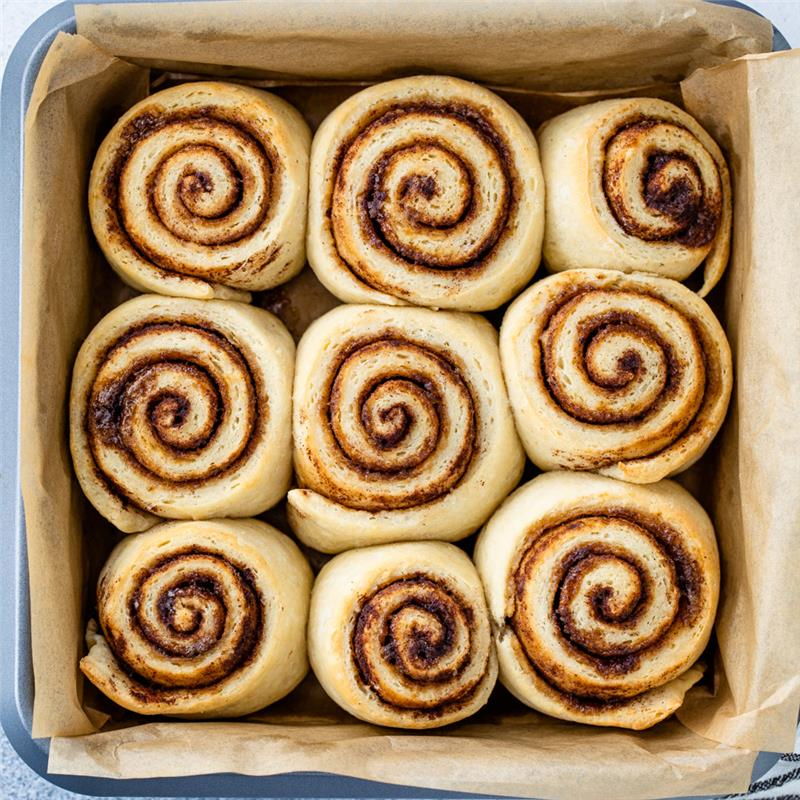
Bake at 350°F (180°C) for 22–25 minutes.
The rolls should be lightly golden on top and cooked through in the center.
Avoid baking them until deeply brown. Extra baking time can make protein-rich dough dry and firm.
If your oven runs hot, begin checking around 22 minutes.
9. Make the Protein Icing
While the rolls cool, combine Greek yogurt, protein powder, and erythritol in a small bowl.
Greek yogurt is particularly useful here because it gives the icing a thick, creamy consistency while contributing additional protein.
Add milk gradually until the icing becomes smooth enough to drizzle.
Don’t add all the milk at once. A tablespoon may be enough depending on the thickness of your yogurt and protein powder.
Let the rolls cool for 15–20 minutes, then drizzle the icing generously over the top.
Ingredient Details and Substitution Tips
Why Use Less Flour?
To lower the carbohydrate contribution while creating room for additional protein powder.
However, flour can’t simply be removed without replacing its structural role. The remaining flour provides enough gluten-forming protein to help the rolls rise and stay together.
Protein Powder Choice
Plant-based and casein protein powders are recommended.
Casein often produces a thicker dough, while plant-based powders can vary considerably depending on their ingredients.
For the best flavor, use a protein powder you already enjoy. A strongly flavored or chalky protein powder will be noticeable in the finished rolls.
Greek Yogurt
Greek yogurt is the preferred choice for the icing because it’s thicker and generally contains more protein than regular yogurt.
It also provides a pleasant tang that balances the sweetness of the cinnamon rolls.
Plain soy yogurt can be used for a dairy-free version.
Erythritol
Erythritol keeps the recipe sweet without adding the carbohydrates associated with regular sugar.
You can use another granulated sweetener, but adjust the quantity according to its sweetness.
Butter
Don’t eliminate the butter from the cinnamon filling if taste is a priority. The small amount adds richness and helps the cinnamon and sweetener form a satisfying filling.
Regular butter or vegan butter can be used.
How to Keep Them Soft and Flavorful
The biggest risk with higher-protein baking is dryness.
The best way to avoid it is to resist the temptation to keep adding flour. The dough should be soft and slightly tacky before kneading, rather than stiff.
Also, don’t overbake.
Once the rolls are lightly golden and the centers are set, take them out. They’ll continue settling as they cool.
The cinnamon filling also plays an important role. Keeping the full amount of butter and cinnamon gives the rolls the rich flavor that makes them satisfying, even though the dough itself contains more protein.
Flavor Variations
Vanilla Cinnamon
Add ½ teaspoon vanilla extract to the protein icing. Vanilla makes the yogurt-based topping taste more like classic cinnamon-roll frosting.
Extra Cinnamon
Use the full 3 teaspoons cinnamon in the filling and add ¼ teaspoon cinnamon to the icing.
Chocolate Cinnamon
Add 1 tablespoon mini dark chocolate chips to the filling before rolling.
This adds a richer dessert-like flavor, although it will increase the carbohydrate and calorie content.
Pecan Cinnamon
Sprinkle 2 tablespoons finely chopped pecans over the filling.
The nuts add crunch and complement the cinnamon beautifully.
Maple Cinnamon
Add ¼ teaspoon maple extract to the icing for a subtle maple flavor without needing a large amount of syrup.
Dietary Variations
Make Them Vegan
Use vegan butter, plant-based protein powder, soy yogurt, and plant-based milk.
Check the protein powder label to make sure it doesn’t contain dairy ingredients.
Lower-Carb Adjustment
For a further reduction in carbohydrates, use a lower-carbohydrate protein powder and a granulated zero-calorie sweetener.
I would not reduce the flour below the amount in this recipe without testing the dough carefully. Removing too much flour can compromise the structure and make the rolls dense.
Higher-Protein Adjustment
The easiest way to increase protein further without ruining the dough is to use a protein-rich Greek yogurt in the icing and a protein powder with a high protein percentage.
Avoid adding excessive protein powder to the dough because it can create a dry, chewy texture.
Serving Suggestions
These rolls are best served slightly warm.
For breakfast, pair one with fresh strawberries, blueberries, coffee, or tea.
For a higher-protein breakfast, serve a cinnamon roll alongside Greek yogurt and fresh berries.
For brunch, arrange the rolls on a platter and drizzle the icing over them just before serving.
If you’re serving them as a dessert, add a light sprinkle of cinnamon over the icing.
The rolls are sweet enough to feel indulgent without requiring a thick layer of frosting.
Storage and Make-Ahead Instructions
Store leftover rolls in an airtight container in the refrigerator for up to 3 days.
The Greek yogurt icing means refrigeration is the safest option.
For the best texture, reheat individual rolls in the microwave for 10–20 seconds.
You can also warm several rolls in a low oven until heated through.
Don’t overheat them because protein-rich dough can become firm when exposed to excessive heat.
Make-Ahead
Prepare the dough in advance and refrigerate it tightly covered after kneading.
You can also shape the rolls and refrigerate them overnight.
Before baking, allow the chilled rolls to sit at room temperature until they are no longer refrigerator-cold and have had some time to become puffy.
Prepare the icing shortly before serving.
Freezing
Freeze the baked rolls without icing for up to 2 months.
Cool them completely, wrap individually, and place them in a freezer-safe container or bag.
Thaw before gently reheating, then add fresh icing.
Nutrition Information
The exact nutrition will depend heavily on your protein powder, yogurt, butter, and sweetener.
Because this version uses less flour and more protein powder than the original recipe, it provides a more favorable protein-to-carbohydrate balance.
An approximate estimate per roll with icing is:
| NutrientEstimated Per Roll | |
| Calories | 190–220 |
| Protein | 15–18g |
| Carbohydrates | 20–25g |
| Fat | 5–7g |
| Fiber | 1–2g |
These numbers are estimates, not laboratory-tested values. For accurate tracking, enter the exact ingredients and brands into your preferred nutrition calculator.
Dietary highlights: Higher protein, reduced carbohydrate compared with the original version, vegetarian, and adaptable for vegan diets.
Allergens: Contains wheat and may contain dairy or soy depending on the protein powder, yogurt, and butter used.
Frequently Asked Questions
Are these actually high protein cinnamon rolls?
Yes. The recipe increases the protein powder from ¾ cup to 1 cup and uses Greek yogurt in the icing. Depending on your specific protein powder and yogurt, each roll may provide approximately 15–18g of protein.
Are these low carb?
They are lower in carbohydrates than the original version, but they are not keto or ultra-low-carb cinnamon rolls. The recipe still uses all-purpose flour because it provides important structure and helps preserve a soft cinnamon-roll texture.
Why is my dough too dry?
Your protein powder may absorb more liquid than the one used during recipe testing. Add warm water 1 tablespoon at a time until the dough becomes soft and pliable.
Don’t compensate for dry dough by adding more flour.
Why are my rolls dense?
Too much flour, too much protein powder, insufficient rising time, or overbaking can make the rolls dense.
Measure carefully and give the dough enough time to become puffy before shaping.
Can I use whey protein?
Whey behaves differently from casein and plant-based protein powder. It may work, but the dough can require different amounts of flour and liquid. For the most predictable texture, stick with plant-based or casein protein powder.
Can I use regular sugar?
Yes. Regular sugar can replace erythritol, but this will increase the carbohydrate and calorie content.
Can I use regular yogurt instead of Greek yogurt?
Yes. Regular yogurt works, but the icing will usually be thinner. Add protein powder gradually and use less milk if necessary.
Can I make these without the icing?
Absolutely. The cinnamon filling is flavorful enough on its own. However, the protein icing adds additional protein and moisture while giving the rolls a more traditional cinnamon-roll finish.
Can I freeze them?
Yes. Freeze the baked rolls without icing for up to 2 months. Thaw, gently reheat, and add fresh icing.
How can I make them taste more indulgent?
Don’t cut back on the cinnamon filling. Using the full 3 teaspoons of cinnamon, keeping the butter in the filling, and adding vanilla to the icing can make the rolls taste much richer without dramatically changing the basic recipe.
Final Thoughts
These high protein cinnamon rolls strike a balance between nutrition and the flavor you actually want from a cinnamon roll.
The flour is reduced, protein powder is increased, and Greek yogurt adds more protein to the icing, but the recipe still keeps the buttery cinnamon filling that makes homemade cinnamon rolls so enjoyable.
The most important trick is to focus on the dough’s texture rather than blindly following the liquid amount. Protein powders differ, so your dough may need an extra tablespoon or two of water.
Don’t overbake, don’t overload the dough with extra flour, and don’t skimp on the cinnamon filling.
The finished rolls should be soft enough to pull apart, warmly spiced in the center, and topped with a creamy drizzle.
For the best experience, serve them slightly warm with the icing freshly drizzled over the top. They make a satisfying protein-conscious breakfast, snack, or weekend brunch treat without tasting like a compromise.
If you make these high protein cinnamon rolls, try the classic version first, then experiment with vanilla, pecans, chocolate, or extra cinnamon. Leave a rating and share which variation you enjoyed most.